Showing posts with label japan. Show all posts

Saturday, December 29, 2012

Kawaii Bento Boxes: Cute and Convenient Japanese Meals on the Go Review & Ratings

Kawaii Bento Boxes: Cute and Convenient Japanese Meals on the GoAre you looking to buy Kawaii Bento Boxes: Cute and Convenient Japanese Meals on the Go? Here is the right place to find the great deals. we can offer discounts of up to 90% on Kawaii Bento Boxes: Cute and Convenient Japanese Meals on the Go. Check out the link below:

>> Click Here to See Compare Prices and Get the Best Offers

Kawaii Bento Boxes: Cute and Convenient Japanese Meals on the Go Review

I have been looking and looking for a good book in English that matches the quality of information in Japanese books about bento lunches and charaben (cute decorated bentos). This one comes the closest. No wonder really, since it is a translation of a popular Japanese bento book! The photos are really clear, and the directions are easy to follow. Anyone can start making their own bentos, decorative or not, from this book. I just took off one star because it does use a number of ingredients that may be unfamiliar to non-Japanese readers, and doesn't really describe them. (That's where bento blogs step in.) It's still practical to use for an American bento enthusiast.

Kawaii Bento Boxes: Cute and Convenient Japanese Meals on the Go Overview


Want to learn more information about Kawaii Bento Boxes: Cute and Convenient Japanese Meals on the Go?

>> Click Here to See All Customer Reviews & Ratings Now
Read More...

Wednesday, October 10, 2012

Quick & Easy Tsukemono: Japanese Pickling Recipes Review & Ratings

Quick and Easy Tsukemono: Japanese Pickling RecipesAre you looking to buy Quick & Easy Tsukemono: Japanese Pickling Recipes? Here is the right place to find the great deals. we can offer discounts of up to 90% on Quick & Easy Tsukemono: Japanese Pickling Recipes. Check out the link below:

>> Click Here to See Compare Prices and Get the Best Offers

Quick & Easy Tsukemono: Japanese Pickling Recipes Review

No Japanese meal is complete without tsukemono. Whether you are having a traditional dinner, some sushi, a bowl of udon or even a plate of curry rice, in a Japanese home or restaurant a small dish of pickled yummies will always be set aside your plate, providing a colorful and flavorful accompaniment.
Continuing the "Quick and Easy" series of Japanese cooking, chef Ikuko Hisamatsu has laid out almost 100 easy-to-follow tsukemono recipes that allow you to prepare these necessary side dishes, using seasonal Japanese ingredients which complement the various meals of Japanese cuisine. In addition to the common tsukemono, there are five Korean kim chee recipes, some dessert items like pineapple in lemon, fish side-dishes like salted squid, and some original creations like garlic in honey and garlic in miso.
The ingredient list might require a Japanese or Asian grocery store, unless you have ready access to daikon, shiso leaves, kombu, ume and the like. Required Japanese spices are things like miso, sake-kasu, karashi, wasabi and yuzu citron. Nothing terribly rare, but exotic enough that they probably won't be found at a regular grocery store.
The recipes are easy to follow. If you have never done any pickling before, you can expect some trial and error before you get it exactly right. There are some overall tips for pickling, and advice as to the specific equipment you will need. Pickling does require some special equipment and preparation, so it is not really a "grab and go" type of cook book, although there are simple recipes that you can try right away. The length of time for the recipes vary, and you are probably better off trying a one hour pickle before tackling the two-month long fermentation of the delicious ume boshi.
A necessary book for anyone serious about cooking authentic Japanese meals.

Quick & Easy Tsukemono: Japanese Pickling Recipes Overview


Want to learn more information about Quick & Easy Tsukemono: Japanese Pickling Recipes?

>> Click Here to See All Customer Reviews & Ratings Now
Read More...

Sunday, April 22, 2012

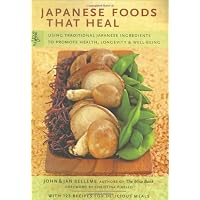
Save 32% Off: Japanese Foods That Heal: Using Traditional Japanese Ingredients to Promote Health, Longevity, & Well-Being Review & Ratings

Japanese Foods That Heal: Using Traditional Japanese Ingredients to Promote Health, Longevity, and Well-BeingAre you looking to buy Japanese Foods That Heal: Using Traditional Japanese Ingredients to Promote Health, Longevity, & Well-Being? Here is the right place to find the great deals. we can offer discounts of up to 90% on Japanese Foods That Heal: Using Traditional Japanese Ingredients to Promote Health, Longevity, & Well-Being. Check out the link below:

>> Click Here to See Compare Prices and Get the Best Offers

Japanese Foods That Heal: Using Traditional Japanese Ingredients to Promote Health, Longevity, & Well-Being Review

I tend to be highly skeptical about this kind of book, mainly because they usually present some sort of idealized fantasy of a health-conscious and simple Japan where everyone is deeply in tune with the rhythms of nature, whilst I know from many years of experience living in Japan that your average Japanese person is much more likely to sit down to a steaming pile of fried chicken, reconstituted ramen and a few cans of beer rather than ocean-harvested kombu and mountain vegetables gently simmered followed by a sweet cup of amazake. However I was pleasantly surprised when the authors stated up front that "Japanese people don't eat this way", and acknowledged that many of these foods will be more readily available in an American health food store than in a Japanese supermarket.
With that fresh start, I was able to enjoy "Japanese Foods that Heal" for what it is, a brilliant guide to eighteen traditional Japanese ingredients that are powerhouses of health, with medicinal properties that strengthen the human body and provide resources and defenses against all manner of illnesses. Each ingredient is considered in-depth, talking about the traditional harvesting/creation methods, the known medicinal properties of that ingredient, and the traditional healing powers associated with it. The authors are careful to state what is a proven effect of the food and what is only a "potential" effect. Some of the foods, such as miso and green tea, are quite familiar and well-known for their health value. Others, such as soy sauce and the sweetener mirin, were more of a surprise, as I had not thought of them as having any particular value other than as a flavoring agent. Some of the ingredients I had never heard of, such as seitan and mizu ame, which the author admits you would need to either make yourself or find at a specialized store.
While there are recipes for each ingredient included, "Japaneses Foods that Heal" cannot really be considered a cookbook. About five or six simple recipes with no photographs are all you get for each item, and the bulk of the text is educating you about the food itself. While the recipes are easy to make and delicious, I was more intrigued by the concept put forward of using these foods in regular recipes replacing items of little nutritional value, such as refined salt or white sugar, with more nutritious substitutes like mirin or the salty picked-plum umeboshi. Definitely something to give a try.
The only drawback to this book is that the authors reinforce the stereotype that eating healthy means eating expensive. When they talk about soy sauce, they are quick to distinguish between the mass-produced condiment available anywhere, and the healthy, hand-processed variety only made in few places and only available at specialty stores for quite a bit more than you would expect to pay. The cheap stuff, they say, isn't worth your time. The same story is told for almost every food, with a lengthy description of its traditional, healthy processing method followed by a disclaimer saying how the majority is now chemically produced in factories, and you will have to search out and be prepared to pay for the good stuff.

Japanese Foods That Heal: Using Traditional Japanese Ingredients to Promote Health, Longevity, & Well-Being Overview


Want to learn more information about Japanese Foods That Heal: Using Traditional Japanese Ingredients to Promote Health, Longevity, & Well-Being?

>> Click Here to See All Customer Reviews & Ratings Now
Read More...

Friday, March 9, 2012

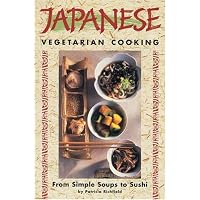
Japanese Vegetarian Cooking: From Simple Soups to Sushi Review & Ratings

Japanese Vegetarian Cooking: From Simple Soups to SushiAre you looking to buy Japanese Vegetarian Cooking: From Simple Soups to Sushi? Here is the right place to find the great deals. we can offer discounts of up to 90% on Japanese Vegetarian Cooking: From Simple Soups to Sushi. Check out the link below:

>> Click Here to See Compare Prices and Get the Best Offers

Japanese Vegetarian Cooking: From Simple Soups to Sushi Review

I strongly recomend this book not only to those that have always wanted to learn how to cook easy or elaborate japanese recipes, but also to the ones that want to know what is behind the food. And, of course, this book is a trasure for vegetarians and vegans out there, since it does not use any dairy. Every single recipe has an introduction to it that tells the story of it, the tradition, how and when is usually made in Japan. Other than that, the author writes a lot about japanese culture on food, especially vegetarian, of course; she describes a characteristic japanese meal and gives different menus, so we can serve one (or more) ourselves,from soup to salads, from pickles to sushi. The book also contain a very nice glossary of ingredients and tools, making it easy to understand all the recipes. Moreover, there are some addresses for ordering the ingredients through the mail. This book has all it's needed to prepare great japanese food!

Japanese Vegetarian Cooking: From Simple Soups to Sushi Overview


Want to learn more information about Japanese Vegetarian Cooking: From Simple Soups to Sushi?

>> Click Here to See All Customer Reviews & Ratings Now
Read More...